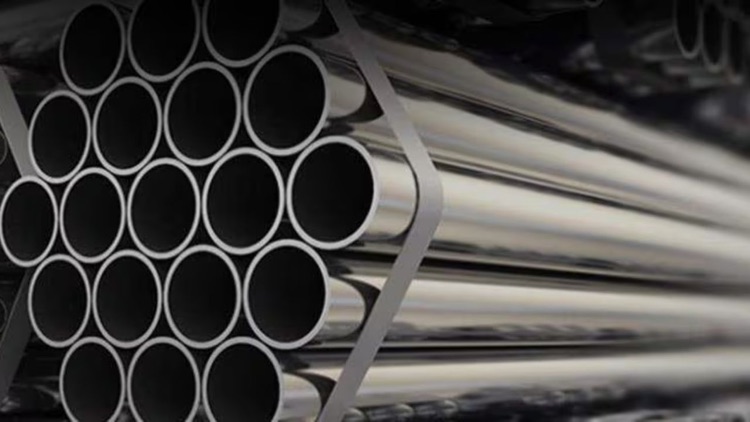
When buyers ask for an Australian steel tube standard for structural hollow sections, AS/NZS 1163 is usually the standard they need to check. It is used for cold-formed structural steel hollow sections, including CHS, SHS, and RHS.
This matters for international sourcing because suppliers may be more familiar with ASTM, EN, JIS, or GB standards. Similar dimensions do not make those materials automatically acceptable for an Australian or New Zealand project.
For the relevant australian steel tube standard reference, buyers should review AS/NZS 1163 requirements together with the project drawing and material schedule.
What the Standard Covers
AS/NZS 1163 is associated with structural hollow sections rather than ordinary pressure pipe. It is commonly discussed for cold-formed steel tube used in building, infrastructure, fabrication, equipment supports, and structural frames.
The standard context should be clear in the RFQ. If the buyer only writes “steel tube,” a supplier may quote mechanical tube, pipe, or material to another regional standard.
CHS, SHS, and RHS
The standard is commonly used with circular, square, and rectangular hollow sections. CHS means circular hollow section. SHS means square hollow section. RHS means rectangular hollow section.
Each form has different connection and design uses. A rectangular section may suit a frame member, while CHS may suit a column, brace, or visible structure. The project drawing should decide the section form.
Grade and Mechanical Requirement
Australian and New Zealand structural projects may specify grade designations such as C250, C350, or C450. The grade should not be changed without approval because it affects mechanical properties and design calculations.
If a supplier offers a substitute grade, keep it as an alternate offer. Ask for documents that show the difference and send it for project approval when required.
Dimensions, Wall, and Length
For SHS and RHS, list outside dimensions and wall thickness. For CHS, list outside diameter and wall thickness. Include length, tolerance, and any cutting requirement.
Wall thickness changes weight, strength, welding, and price. A supplier quote with the same outside size but a different wall is not technically equal.
Regional Standard Substitutions
International suppliers may suggest ASTM A500, EN 10219, or another hollow-section standard. These may be valid in other projects, but they should not be assumed equivalent.
When substitution is proposed, compare standard scope, grade, mechanical properties, dimensions, tolerance, documents, and project acceptance. The final approval should come from the engineer or owner.
Documents and Marking
Buyers may need MTCs, heat traceability, dimensional inspection, compliance statements, and packing lists. Bundle marking should show size, grade, heat, and order line when traceability is required.
For certified projects, documents should be checked before shipment. Once tube is cut or mixed in fabrication, traceability can be difficult to recover.
RFQ Checklist
Include AS/NZS 1163, grade, CHS/SHS/RHS form, dimensions, wall thickness, length, finish, tolerance, MTC, traceability, packing, marking, and delivery terms.
The safest buying process is to identify the standard first, then define the exact hollow section details. That makes price comparison meaningful and reduces the risk of receiving a near-match that fails project review.
Why the Standard Name Should Stay Visible
In international sourcing, the standard can disappear as the inquiry moves from email to quote, proforma invoice, packing list, and inspection document. Keep AS/NZS 1163 visible in every document if the project requires it.
This reduces the risk of receiving generic structural tube. It also helps QA teams match MTCs and bundle markings to the project specification.
Supplier Questions
Before approving a quote, ask:
- Which AS/NZS 1163 grade is being offered?
- Is the section CHS, SHS, or RHS?
- What dimensions and wall thickness are quoted?
- Are MTCs and heat traceability included?
- Are tolerances and finish aligned with the project?
- Is any alternate standard being proposed?
These questions are simple, but they catch most non-equivalent quotes before purchase.
Receiving Notes
At receiving, check bundle labels and documents before material is cut. If the steel will be fabricated by a third party, send them the same standard, grade, and section list used for purchase so shop records stay aligned.
Practical Buying Example
Weak wording: “Need Australian steel tube, 100 x 100.”
Stronger wording: “AS/NZS 1163 SHS, C350, 100 x 100 x 6 mm, fixed length, MTC and heat traceability required, finish as per project specification.”
The stronger version lets suppliers quote the same requirement. It also gives the buyer a clear basis for checking the delivered material.